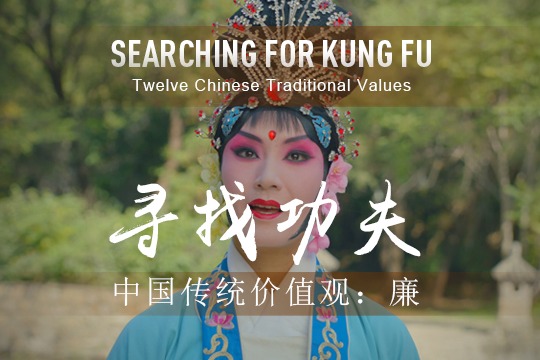
12 Traditional Chinese Values: Integrity
Introduction
Integrity, known as lian in Chinese, is a fundamental value deeply embedded in traditional Chinese culture. It encapsulates the notion of morally upright behavior and the adherence to strong moral principles. Integrity has been revered throughout Chinese history, serving as a guiding principle in personal conduct, governance, and societal norms.
Historical Background
The origins of integrity, or lian, in Chinese culture trace back to ancient times when moral virtue was considered essential for personal development and social harmony. The concept of integrity was integral to the teachings of ancient Chinese philosophers, who emphasized the importance of honesty, loyalty, and moral rectitude. These values were not only personal ideals but also societal expectations, deeply influencing the fabric of Chinese civilization.
Philosophical Foundations
Confucianism places a paramount importance on integrity, viewing it as a cornerstone of moral and ethical living. Confucius taught that integrity was essential for the cultivation of "Junzi", or the ideal moral person. This involves sincerity, ethical behavior, and a commitment to truthfulness in all aspects of life. In Confucian thought, integrity extends beyond personal conduct to encompass social responsibilities and governance.
In Taoism, integrity is understood in the context of harmony with the natural world and the Tao, or the Way. It emphasizes authenticity and a return to a simple, honest way of living, free from deceit and pretense. Taoists advocate for living in accordance with one's true nature, which inherently involves maintaining integrity in one's actions and interactions.
The Legalist perspective on integrity is more pragmatic, focusing on the role of law and order in maintaining societal integrity. While Legalism emphasizes strict adherence to laws and regulations, it also acknowledges the importance of integrity as a means of ensuring stability and order within the state. In this context, integrity is seen as adhering to established rules and fulfilling one's duties faithfully.
Cultural Significance
Within the family, integrity serves as a foundational value that fosters trust and cohesion. It dictates the expectations of honesty, loyalty, and respect among family members, ensuring harmonious relationships. Parents are expected to model integrity for their children, who in turn are encouraged to uphold these values as they mature.
In Chinese society, integrity is a marker of personal virtue and social responsibility. It influences interpersonal relationships, business dealings, and community interactions. Social harmony is believed to be achievable when individuals act with integrity, contributing to a just and stable society.
Integrity is also a crucial component of Chinese business practices, where trust and reliability are highly valued. It underpins successful business relationships and transactions, serving as a basis for mutual respect and cooperation. The emphasis on integrity in business is reflective of broader cultural values, ensuring ethical practices and long-term success.








